
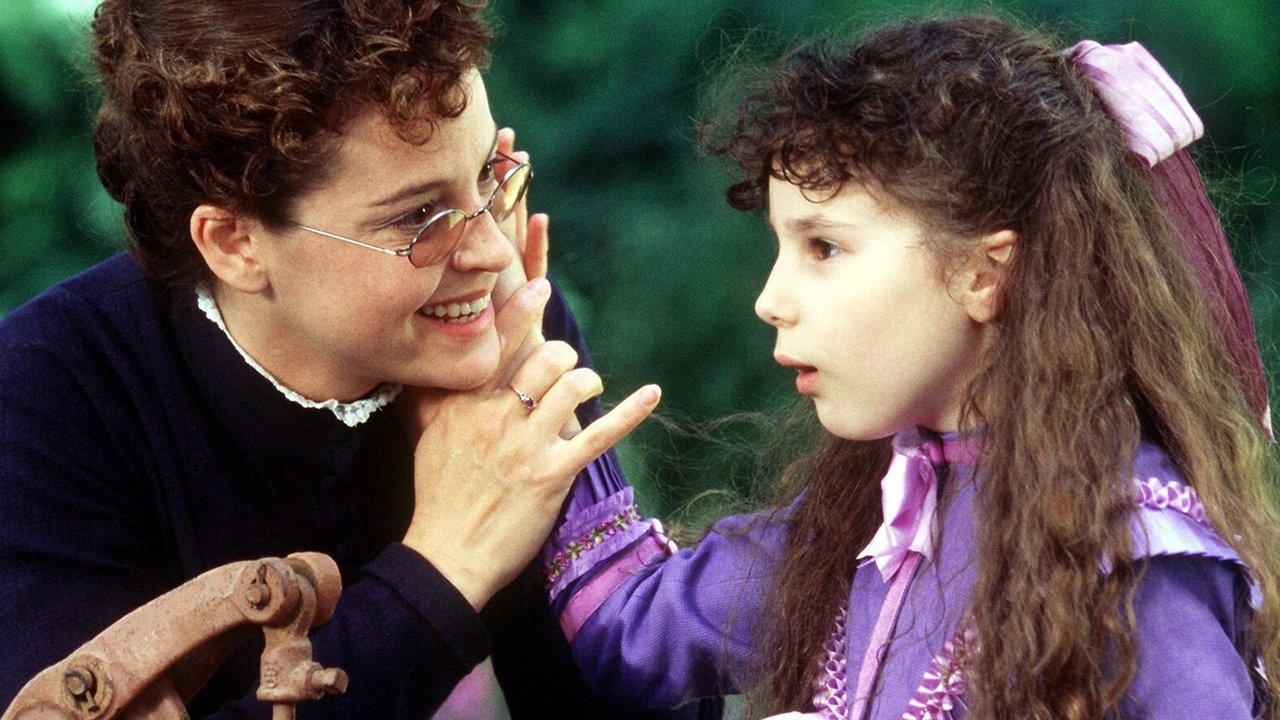
The Miracle Worker
Devoted teacher Anne Sullivan leads deaf, blind and mute Helen Keller out of solitude and helps integrate her into the world.
CandleStream: films for a quiet evening, from The Miracle Worker, The Corn Is Green and The Secret Garden to Longitude, H Is for Hawk and A Thousand Clowns, and where to watch them
158 English-language films, 1940 to 2026, chosen for the whole household.
Trending now



Family films
Comedies
Romance

Drama


Classics

Films for a quiet evening: the CandleStream guide
CandleStream: films for a quiet evening, from The Miracle Worker, The Corn Is Green and The Secret Garden to Longitude, H Is for Hawk and A Thousand Clowns
Some films are made for a crowd and some for a lamp-lit room. CandleStream is a guide to the second kind: 158 English-language films, made between 1940 and 2026, that ask for a comfortable chair and a little attention and give a great deal back. There are studio pictures from the years when Bette Davis and Spencer Tracy were under contract, true stories of inventors, athletes and teachers, novels and plays carried faithfully to the screen, a shelf of musicals and concerts, and family dramas old and new. Each film has its own page, its story, its director and cast, and a Watch now button that leads to the official services carrying it in your country.
The catalogue has been chosen for the whole household. Every film was read through by hand, and the selection favours drama, gentle comedy, romance, biography and stories of childhood. Thrillers, horror, films of the battlefield and comedy made strictly for adults were left out. What remains has a common temper, thoughtful and warm: a Welsh schoolmistress who finds a scholar in a mining village, a carpenter who solves the greatest scientific problem of his century, an uncle and a twelve-year-old nephew facing the authorities together in a one-room New York apartment.
The numbers give a first idea of the shape. One hundred and twenty of the films are dramas, fifty-four are comedies and forty-two are romances. Eighty-three concern families and childhood, thirty-six tell true stories, forty come from novels and plays and twenty-seven are about music and the stage. Fifty-three are classics made before 1970, twenty-six of them in the 1940s alone, and twenty-six have appeared since 2020. Thirty-five were made for television, and forty-nine carry a score of 7 or higher from the viewers of TMDB.
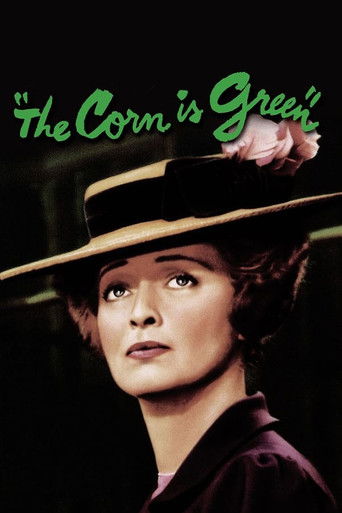
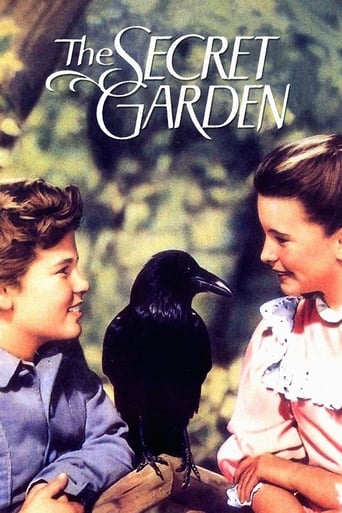
A first-time visitor can begin with any of six films. The Miracle Worker tells how Anne Sullivan taught the young Helen Keller her first word. The Corn Is Green gives Bette Davis one of her finest parts. The Secret Garden, in the 1949 version with Margaret O'Brien, saves its colour for the moment the garden blooms. Longitude sets the clockmaker John Harrison beside the naval officer who rescued his work two centuries later. H Is for Hawk follows a grieving daughter and the goshawk she trains, and A Thousand Clowns is among the best-loved comedies of the 1960s.
How the collection is arranged
CandleStream is drawn on near-black, with white type and a single red accent. The bar at the top carries a candle in a small navy tile, the name in tall capitals, a short menu, a search field and a My List button. The home page opens with a wide film still, the title of the film in very large tight letters, a few lines about it and two buttons, Details and Browse all. Beneath it come the rows, each under a plain bold heading: Trending now, Family films, Comedies, Romance, Drama and Classics. The posters are small and rounded, nine to a row, and each lifts slightly when the pointer rests on it.
The lists are the main way through the catalogue. Drama, Comedy and Romance sort the films by kind. Family, True stories, Books and plays, Music and stage and Adventure sort them by subject, and Made for television by origin. Classics holds everything made before 1970, five lists divide the catalogue by period, and Top rated has the forty-nine with the strongest scores.
Each film page is built in the same order, like the entry in a good film encyclopaedia. The poster is at the left; the title, the year, the running time and the TMDB score are at the right. Beneath them the story is summarised in a few sentences, and the director and principal players are credited. At the foot of the page a small menu asks for your country, once only, and the Watch now button beside it takes you to JustWatch, where the services that stream, rent or sell the film in that country are set out.
The forties
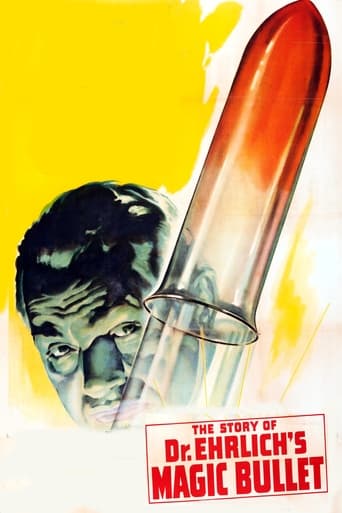
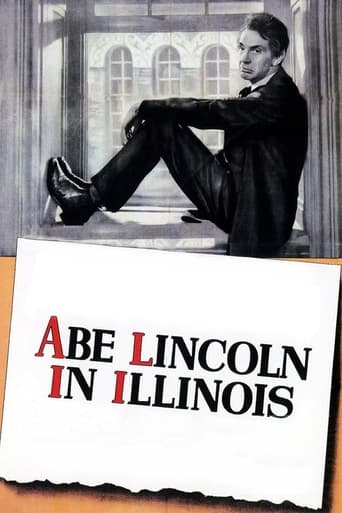
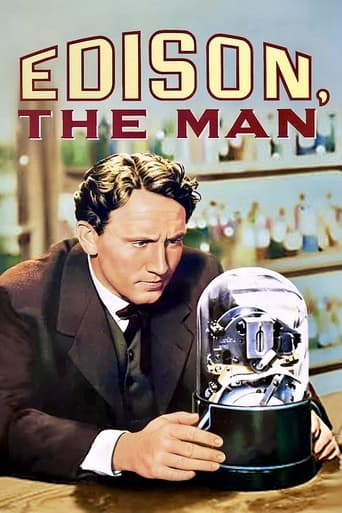
Twenty-six films come from the 1940s, when the Hollywood studios were at the height of their powers and released a new picture every week. Several are biographies of the kind the studios did with great conviction. Edison, the Man has Spencer Tracy as the inventor through the years of struggle that ended with the electric lamp. Dr. Ehrlich's Magic Bullet and A Dispatch from Reuters, both directed by William Dieterle and both starring Edward G. Robinson, tell the stories of a German physician who founded modern chemotherapy and of the man who built a news agency on carrier pigeons and the telegraph. Abe Lincoln in Illinois follows the future president from a log cabin to the train that takes him to Washington, with Raymond Massey in the part he had played on Broadway.
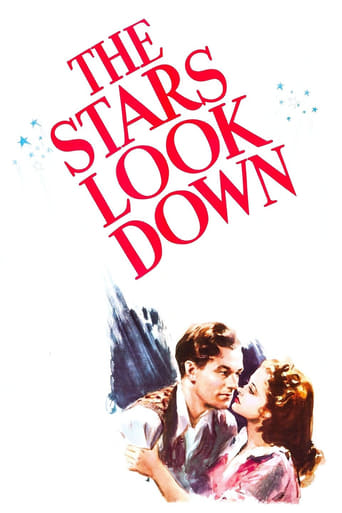
Sister Kenny was a labour of love for Rosalind Russell, who plays the Australian bush nurse Elizabeth Kenny, whose treatment for children with polio was resisted by the medical establishment for thirty years. The Corn Is Green is set in a Welsh mining village in 1895, where Miss Moffat, an Englishwoman with a small inheritance, opens a school and discovers in a young miner a mind worth fighting for. Bette Davis plays her with spectacles, a bicycle and complete authority. The Stars Look Down, made in Britain by Carol Reed, also concerns a miner's son who wins a scholarship, and is among the most honest pictures of working life that decade produced.
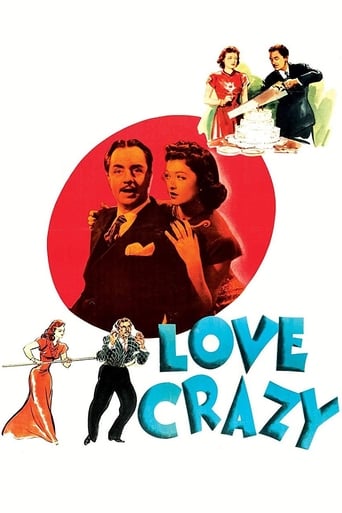
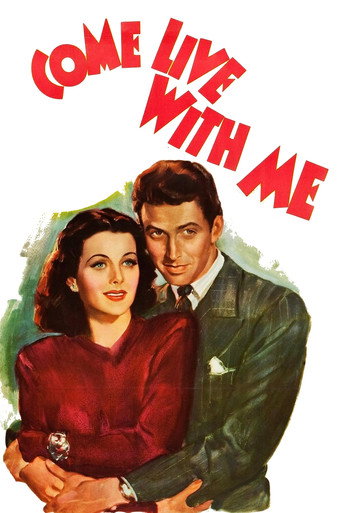
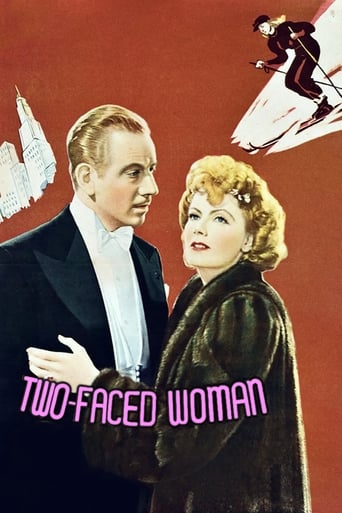
The comedies of the period sparkle. Love Crazy reunites William Powell and Myrna Loy as a couple whose fourth wedding anniversary is ruined by a lift, an old acquaintance and a mother-in-law. Third Finger, Left Hand has Loy as a magazine editor who has invented a husband to keep her job and is alarmed when Melvyn Douglas arrives claiming to be him. Come Live with Me pairs James Stewart, as a penniless writer, with Hedy Lamarr as a refugee who needs to marry an American by the end of the week. Take a Letter, Darling reverses the usual office romance, with Rosalind Russell as the advertising executive and Fred MacMurray as her secretary, and Two-Faced Woman was Greta Garbo's last film, a comedy in which she plays a ski instructor and her own invented twin.
Family audiences were well served. Our Vines Have Tender Grapes is a year in the life of a Norwegian-American farming community in Wisconsin, seen through a seven-year-old girl played by Margaret O'Brien, with Edward G. Robinson, far from his gangster roles, as her gentle father. The Secret Garden gave O'Brien her last great child role as Mary Lennox. Tom Brown's School Days and The Life and Adventures of Nicholas Nickleby bring two Victorian school stories to the screen, and Ma and Pa Kettle launched a hugely popular series about a country couple with fifteen children who win a house full of modern gadgets in a slogan contest.
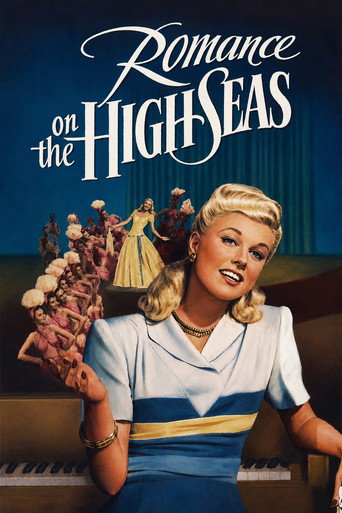
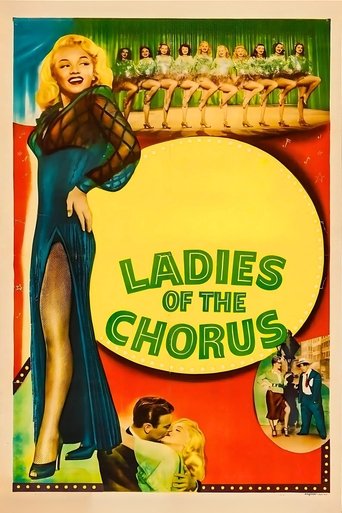
Music and colour round out the decade. Du Barry Was a Lady puts Red Skelton and Lucille Ball into a Cole Porter musical in which a cloakroom attendant dreams himself to the court of Louis XV. The Sky's the Limit gives Fred Astaire one of his most unusual roles, as a pilot on leave, and the song One for My Baby. Romance on the High Seas was the first film of a band singer named Doris Day, and Ladies of the Chorus, a year later, gave an early leading part to Marilyn Monroe. Son of Fury: The Story of Benjamin Blake is a costume adventure with Tyrone Power, who appears again in the comedy That Wonderful Urge.
Fifties and sixties
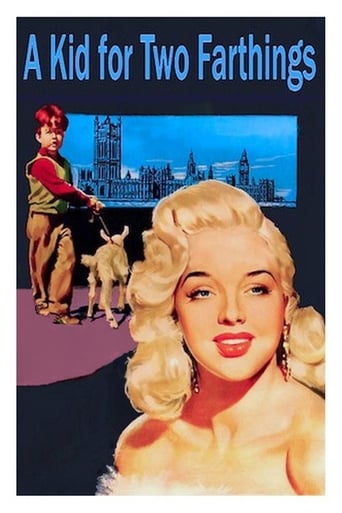
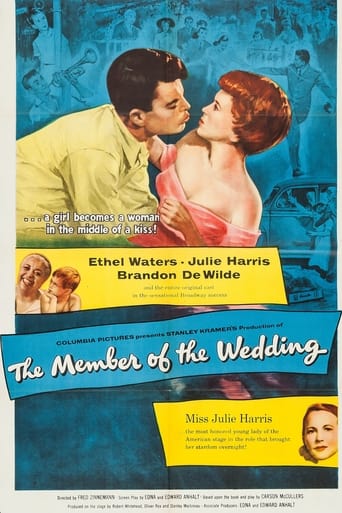
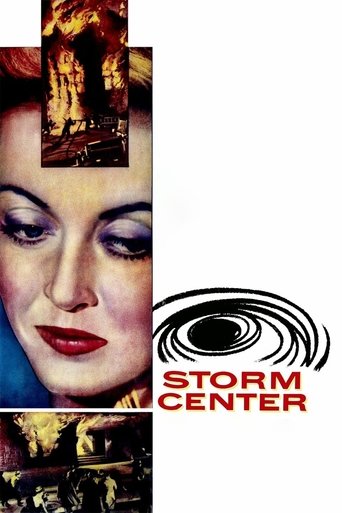
The twenty-seven films from the next two decades show the studios changing. Some of the best are small and humane. A Kid for Two Farthings, Carol Reed's first film in colour, is set in the street markets of east London, where a small boy buys a kid with one stunted horn and believes it to be a unicorn that grants wishes. The Member of the Wedding preserves the Broadway performances of Julie Harris and Ethel Waters in Carson McCullers's story of a twelve-year-old who longs to belong somewhere. Storm Center has Bette Davis as a small-town librarian who refuses to take a book off the shelves and pays for her principle.
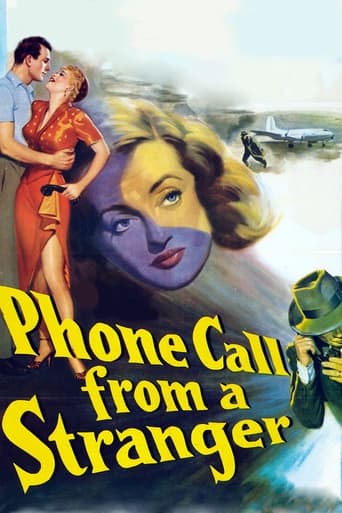
The Last Angry Man was Paul Muni's final film; he plays an old doctor in Brooklyn who has served the same streets for forty-five years and is suddenly wanted by television. The Actress is George Cukor's fond account of the girlhood of Ruth Gordon, with Jean Simmons as the stage-struck daughter and Spencer Tracy as her father, a former sailor. Phone Call from a Stranger links four travellers who meet on a delayed flight, and Home Before Dark gives Jean Simmons a demanding role as a young wife finding her feet again after a long illness.
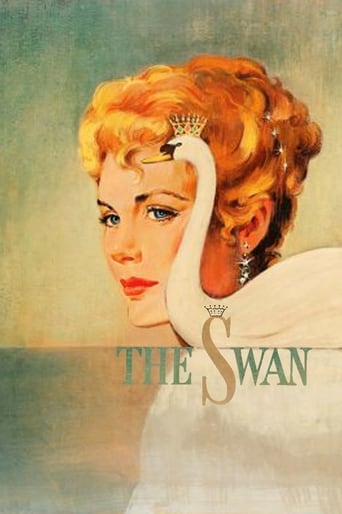
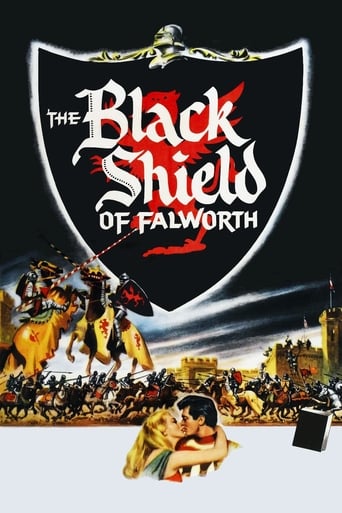
Romance and costume were the decade's pleasures. The Swan was Grace Kelly's last film but one, released in the month of her own royal wedding: she plays a princess of a minor house whose mother hopes to marry her to the crown prince, played by Alec Guinness. The Black Shield of Falworth puts Tony Curtis and Janet Leigh into armour and wimples at the court of Henry IV, and The Men of Sherwood Forest is a cheerful British Robin Hood. The Mississippi Gambler sends Tyrone Power down the river on a paddle steamer, and The President's Lady tells the love story of Andrew Jackson and Rachel Donelson, with Charlton Heston and Susan Hayward.
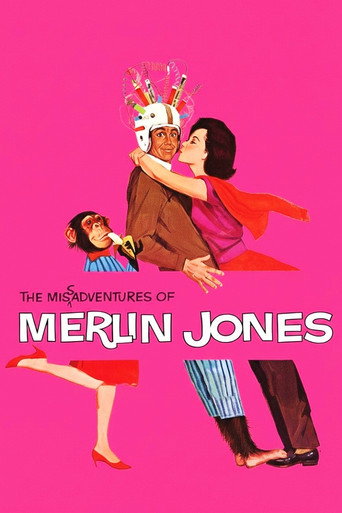
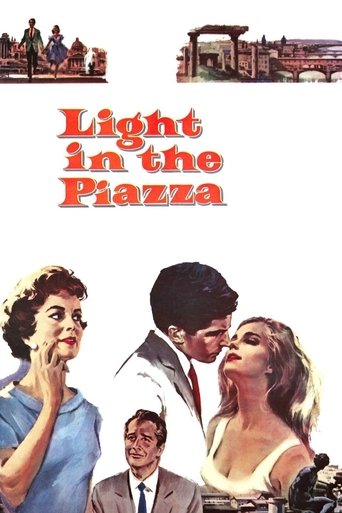
The sixties bring a lighter touch. Light in the Piazza was filmed in Florence and Rome, with Olivia de Havilland as an American mother whose daughter falls in love with a young Italian. The Rat Race pairs Tony Curtis and Debbie Reynolds as a saxophonist and a dancer sharing a New York room to save money. Cash McCall is a business romance with James Garner and Natalie Wood, and Who's Minding the Mint? is a caper comedy in which a clerk at the Bureau of Engraving, having destroyed fifty thousand dollars by accident, assembles a team to print replacements overnight. The Truth About Spring sends Hayley Mills and her father John Mills treasure-hunting in the Caribbean, and The Misadventures of Merlin Jones is a Disney comedy about a student inventor.
A Thousand Clowns and the comedies
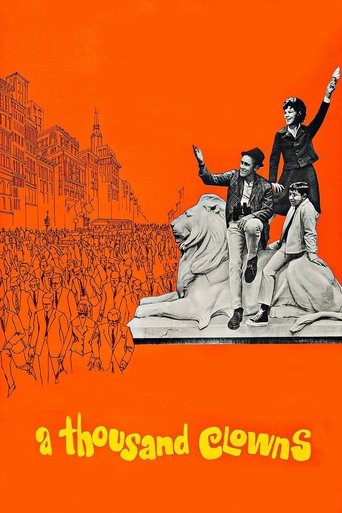
A Thousand Clowns deserves a section to itself. Murray Burns, played by Jason Robards, was the chief writer of a children's television programme until he walked out five months ago; since then he has devoted himself to visiting the docks, shouting cheerful advice to his neighbours from the window and bringing up his twelve-year-old nephew Nick, who is wiser than he is. When two social workers arrive to ask about the boy's home, Murray must choose between his freedom and a job. Herb Gardner adapted his own play, Martin Balsam won an Academy Award as Murray's brother, and the film moves through a sunlit New York to a ukulele and a marching band. It is funny from first to last and has something true to say about growing up.
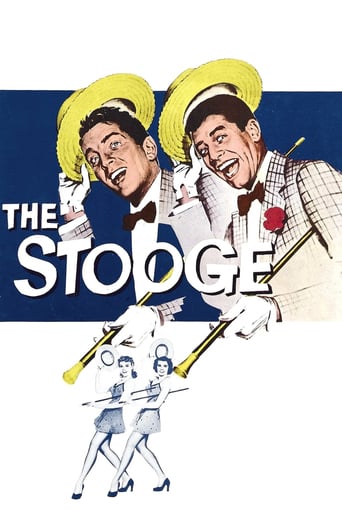
Fifty-four comedies are listed in all. Follow Me!, the last film of Carol Reed, has a London accountant engage a private detective, played by Topol in a white raincoat, to learn where his young American wife goes every afternoon; the answer is to cinemas, parks and the dolphin pool, and the detective, trailing her in silence, becomes her companion. The Stooge is among the better films of Dean Martin and Jerry Lewis, a backstage story about a singer who refuses to admit how much his act depends on his partner. The Rising of the Moon is three short Irish comedies directed by John Ford, introduced by Tyrone Power.
The Wonderful Ice Cream Suit, from a story by Ray Bradbury, is a fable about five men in East Los Angeles, all the same size, who pool their money to buy one dazzling white suit and take turns wearing it for an hour each on a single magical night. Pie in the Sky is a romance about a young man whose passion is the study of traffic. Dancer, Texas Pop. 81 spends one weekend in a tiny West Texas town, where four friends who swore at the age of eleven to leave together after graduation must decide whether they meant it.
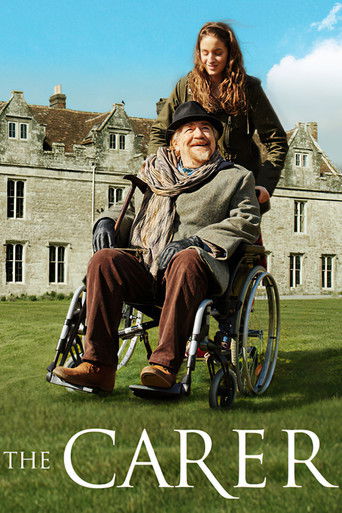
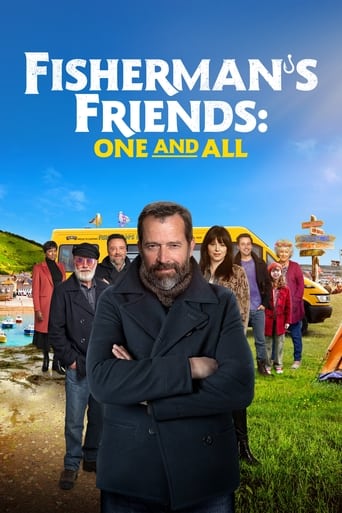
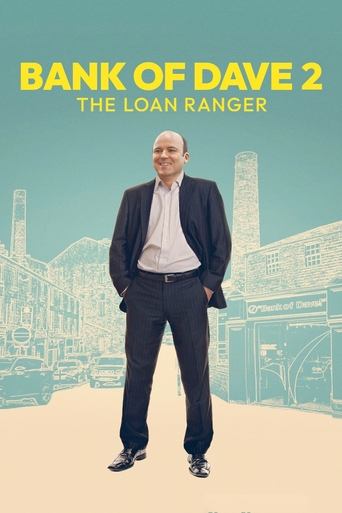
British comedy of recent years is well represented. The Carer gives Brian Cox the part of a grand old Shakespearean actor, ill-tempered and housebound, who meets his match in a young Hungarian carer with stage ambitions of her own. Fisherman's Friends: One and All returns to the Cornish fishermen whose sea shanties took them into the charts, and Bank of Dave 2: The Loan Ranger to the Burnley businessman who founded a community bank and now takes on the payday lenders. Growing Up Smith is the story of a ten-year-old from India growing up in small-town America in 1979, in love with the girl next door and with everything American, and Montana Amazon sends an eccentric grandmother and her two grandchildren on a road trip from the Rockies to the rainforest.
True stories
Thirty-six films tell of real lives, and the catalogue treats them as its backbone. The Miracle Worker, in the television version of 2000, covers the weeks in 1887 when Anne Sullivan, twenty years old and partly blind herself, arrived at the Keller house in Alabama and fought to reach a six-year-old who could neither see nor hear. The scene at the water pump, when a word finally becomes a meaning, is among the most moving in American drama. ...And Your Name Is Jonah is a related story from the 1970s, about a deaf boy wrongly placed in an institution and the mother who learns to sign with him.
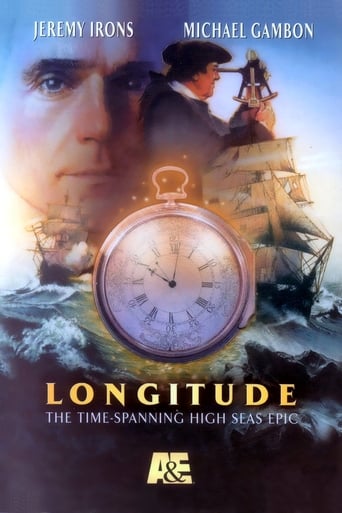
Longitude runs for more than three hours and earns them. In the eighteenth century John Harrison, a Yorkshire carpenter with a gift for clocks, spends forty years building a timekeeper accurate enough to tell a ship its position at sea, and almost as long persuading the Board of Longitude to pay the prize it had promised. In the twentieth, Rupert Gould, a naval officer recovering from a breakdown, finds Harrison's machines neglected in a cellar and restores them. Michael Gambon and Jeremy Irons play the two men, and the film cuts between them with great skill.
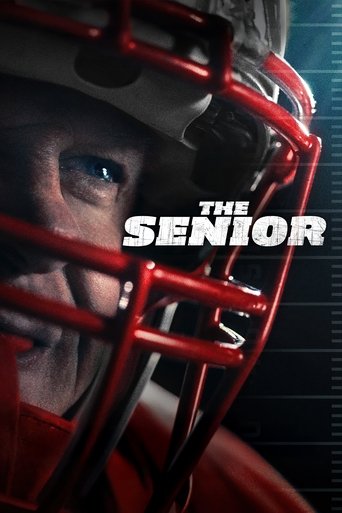
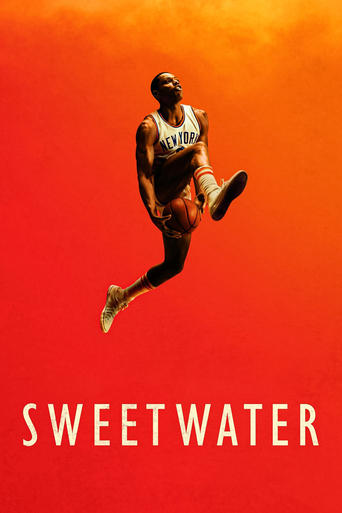
Sport provides several stories. Jim Thorpe – All-American stars Burt Lancaster as the Native American athlete who won two gold medals at the Olympic Games of 1912. The Simone Biles Story: Courage to Soar follows the gymnast from a childhood in foster care to the Games of 2016. Mr. Hockey: The Gordie Howe Story tells how a legend of the ice returned at forty-five to play alongside his two sons. The Senior is about a man who goes back to college at fifty-nine to finish the football career that ended badly decades before, and Sweetwater remembers Nat Clifton, among the first Black players to sign for a team in the professional basketball league.
Others are stories of courage of a quieter kind. The Brooke Ellison Story, the last film directed by Christopher Reeve, follows a girl paralysed in an accident at eleven who graduates from Harvard with her mother at her side in every class. Rule Breakers is about the young Afghan women who formed a robotics team and competed around the world. The Last of His Tribe tells of Ishi, the last of the Yahi people of California, and the anthropologist who befriended him, and Snowbound: The Jim and Jennifer Stolpa Story of a young couple and their baby stranded in a Nevada blizzard. The Missiles of October is a meticulous reconstruction, staged almost like a play, of the thirteen days in 1962 when diplomacy kept the peace.
Books on screen
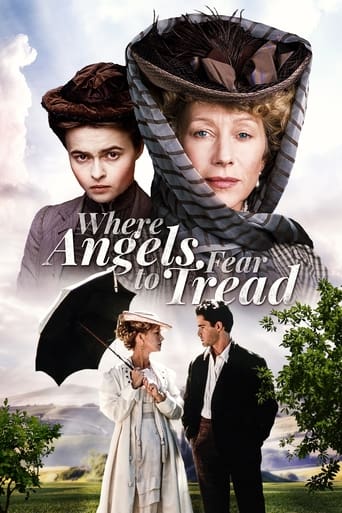
Forty films began as novels or plays, and a reader will find many old friends. The newest is Sense and Sensibility, the 2026 film of Jane Austen's first published novel, with Daisy Edgar-Jones as Elinor Dashwood. Jane Eyre, in the version of 1970, has Susannah York as the governess and George C. Scott as a rugged, weary Rochester, with a famous score by John Williams. The Mill on the Floss gives Emily Watson the part of Maggie Tulliver, George Eliot's passionate heroine, and Where Angels Fear to Tread is E. M. Forster's first novel, in which an English family sends two envoys to a Tuscan hill town to retrieve a child, with Helen Mirren, Judy Davis and Helena Bonham Carter.
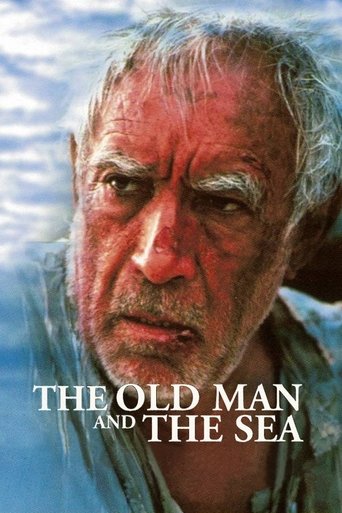
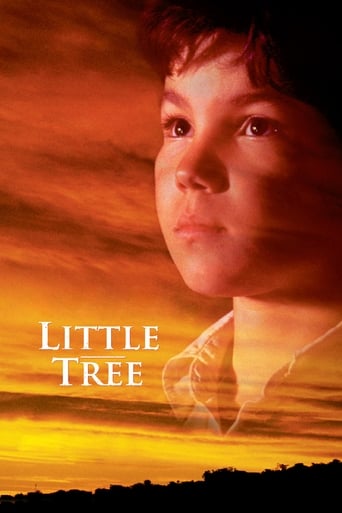
American literature is here in several forms. The Old Man and the Sea has Anthony Quinn as Hemingway's Cuban fisherman, alone with a great marlin for three days. Islands in the Stream, from a novel Hemingway left unpublished, stars George C. Scott as a sculptor in the Bahamas visited by his three sons for one summer. Cross Creek is the memoir of Marjorie Kinnan Rawlings, who left New York in 1928 for an orange grove in the Florida backwoods and found there the people she would write about. A Painted House is John Grisham's story of a seven-year-old on an Arkansas cotton farm in 1952, and The Education of Little Tree follows a boy raised by his Cherokee grandparents in the Smoky Mountains during the Depression.
Books for young readers make some of the best family films. A Ring of Endless Light is from Madeleine L'Engle's novel about a summer on an island, a girl who writes poetry and a marine biologist who studies dolphins. Pictures of Hollis Woods, with Sissy Spacek, follows a twelve-year-old with a talent for drawing who is placed with a retired art teacher. H Is for Happiness, from an Australian novel, belongs to a twelve-year-old optimist determined to mend her family in time for a school assignment. Goodbye, Mr. Chips is the 2002 version of the story of a shy schoolmaster and the generations of boys he teaches, with Martin Clunes.
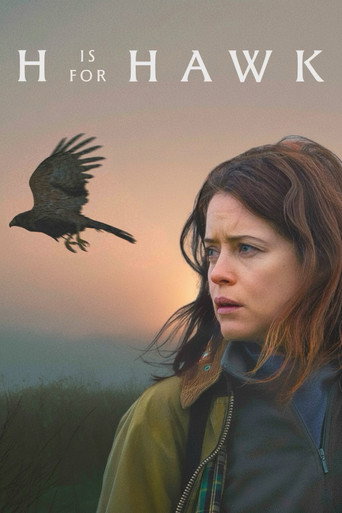
Two recent films come from celebrated memoirs and novels. H Is for Hawk is drawn from Helen Macdonald's book: after the sudden loss of her father, a Cambridge academic buys a young goshawk named Mabel and gives herself over to training her, in the fields and woods outside the city. Claire Foy plays Helen and Brendan Gleeson her father, and the scenes of the hawk in flight are extraordinary. Midwinter Break, from the novel by Bernard MacLaverty, follows a long-married couple from Glasgow on a short holiday in Amsterdam, where each has brought along a private question; Lesley Manville and Ciarán Hinds are the pair.
From the stage
The theatre is close to the heart of this catalogue. Uncle Vanya is a film of the London production that was interrupted in 2020: the cast returned to the empty theatre to record it, with Toby Jones as Vanya and Richard Armitage as the doctor, and the result is among the best Chekhov on screen. A Midsummer Night's Dream, made by Peter Hall in 1968 with the Royal Shakespeare Company, has a young Judi Dench as Titania, Ian Holm as Puck and Helen Mirren and Diana Rigg among the lovers, filmed in the woods of an English country house.
An Enemy of the People is a curiosity and a good one: Steve McQueen, bearded and bespectacled, in Ibsen's play about a doctor who discovers that the waters of his town's new spa are polluted and finds that the truth is unwelcome. The Boys Next Door follows four men with learning disabilities who share a house and the social worker who looks after them, with Nathan Lane. Love Among the Ruins, written for television and directed by George Cukor, brought Katharine Hepburn and Laurence Olivier together for the only time, as a great actress in a legal tangle and the barrister who has loved her for forty years; she has quite forgotten him.
Recent stage captures are a new pleasure. Merrily We Roll Along records the Broadway revival of Stephen Sondheim's musical, which tells the story of three friends backwards from disillusion to hope, with Jonathan Groff, Daniel Radcliffe and Lindsay Mendez. Good Night, and Good Luck was broadcast live from the Winter Garden Theatre, with George Clooney as the broadcaster Edward R. Murrow. A Bread Factory, Part One: For the Sake of Gold is a film about a theatre: a community arts centre in a small town, run by two women for forty years, defends its funding against a fashionable rival.
Music and song
Twenty-seven films have music at their centre. Two are concerts of the same show: Les Misérables: 10th Anniversary Concert at the Royal Albert Hall, from 1995, gathers the original London and Broadway principals with an orchestra and choir of more than two hundred, and Les Misérables: The Staged Concert, from 2019, does the same for a later generation, with Alfie Boe and Michael Ball. For anyone who loves the score, either is three hours well spent. Cinderella is a rarity: the Rodgers and Hammerstein musical written for television in 1957 and performed live by a twenty-one-year-old Julie Andrews, preserved from the original broadcast.
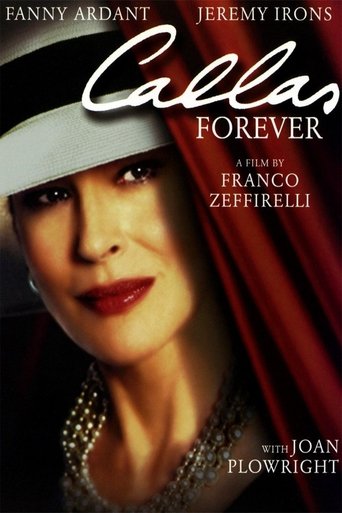
The lives of musicians fill another shelf. Scott Joplin has Billy Dee Williams as the composer who carried ragtime from the saloons of Missouri to the publishing houses of New York. Birth of the Beatles follows four Liverpool boys through Hamburg and the Cavern to the eve of their first American tour. The Karen Carpenter Story was made with the help of her brother Richard, and Little Richard, directed by Robert Townsend, tells how a preacher's son from Georgia invented a new kind of song. Callas Forever is Franco Zeffirelli's imagined last chapter for the great soprano, his friend, played by Fanny Ardant.
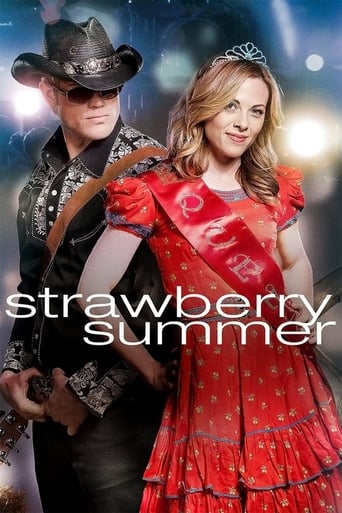
Fiction has its musicians too. Madame Sousatzka stars Shirley MacLaine as a formidable piano teacher in a crumbling London house who takes on a gifted fifteen-year-old and wants to keep him from the concert platform until he is ready. Double Platinum pairs Diana Ross and Brandy as a famous singer and the daughter she left behind. Brave New Girl follows a girl from Texas to a music conservatory in the east, Strawberry Summer brings a country star to a small-town festival, and Polly turns the story of Pollyanna into a musical set in Alabama in the 1950s, directed by Debbie Allen with Keshia Knight Pulliam and Phylicia Rashad.
The Muppets Go to the Movies is an hour of parody in which the whole company salutes the cinema, with Dudley Moore and Lily Tomlin as guests. And Once and Forever is a short portrait of Coco Chanel, directed by Karl Lagerfeld, in which a young actress played by Kristen Stewart prepares to portray the designer and Geraldine Chaplin plays Chanel in later life.
Families and childhood
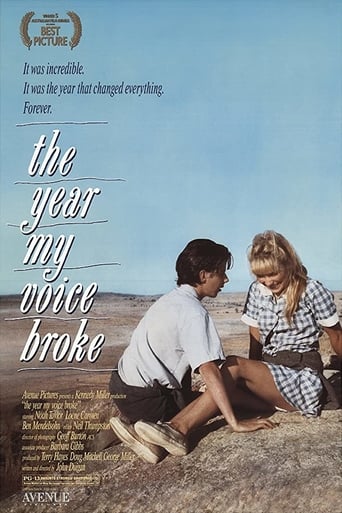
More than half the catalogue touches on family life, and the best of these films see it from a child's height. The Year My Voice Broke is an Australian classic: in a country town in 1962, fifteen-year-old Danny watches the girl he has loved since childhood fall for someone else. John Duigan's film is funny, exact and tender about first love, and it made the name of Noah Taylor. We Grown Now is set in Chicago in 1992, where two ten-year-old best friends treat their housing estate as a kingdom, and A Boy Called Sailboat is a small fable about a boy in the American south-west who writes a song for his grandmother on a tiny guitar.
Fathers and their grown children meet in several films. The Thing About My Folks puts Peter Falk and Paul Reiser on a road trip through upstate New York after a note from the mother of the family changes everything. I Ought to Be in Pictures, from Neil Simon, sends a nineteen-year-old from Brooklyn to Hollywood to find the screenwriter father she has barely met, played by Walter Matthau. Starting Out in the Evening gives Frank Langella a great late role as a forgotten novelist whose quiet routine, shared with his daughter, is stirred by a graduate student who wants to write about him.
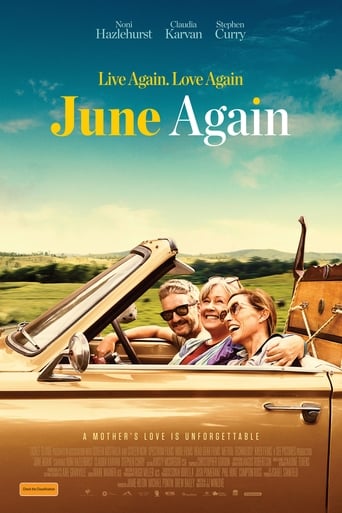
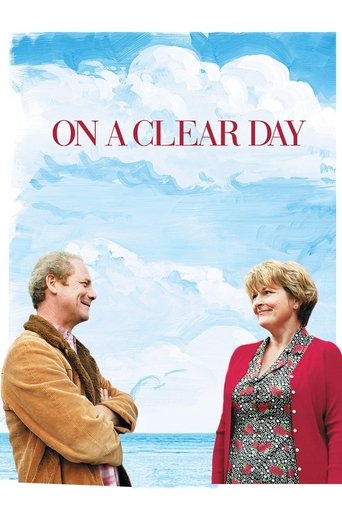
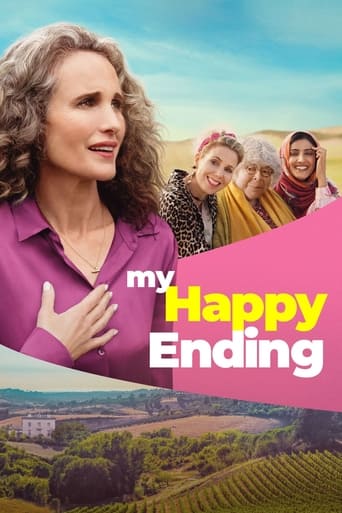
Old age is treated with unusual care. Familiar Touch follows a woman in her eighties, once a cook, as she settles into assisted living and holds on to herself through the memory of her craft; Kathleen Chalfant is superb. June Again, from Australia, grants a woman a few clear days after years of confusion, which she spends putting her children's lives in order whether they like it or lump it. On a Clear Day stars Peter Mullan as a Glasgow shipbuilder who, laid off at fifty-five, decides to swim the English Channel, and My Happy Ending sets a famous actress, travelling incognito, among three women in a hospital waiting room who become her friends.
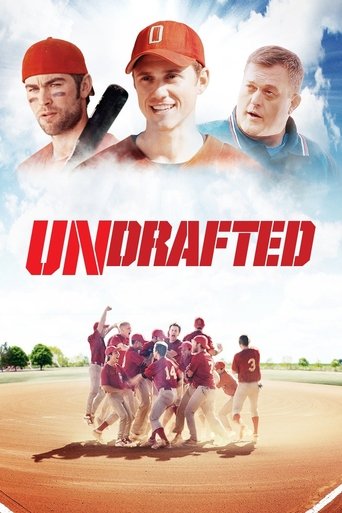
Younger viewers have films of their own. Popular Theory is about a twelve-year-old science prodigy who teams up with a classmate for the state fair. An American Girl Story - Melody 1963: Love Has to Win follows a ten-year-old in Detroit during the civil rights movement. Rodeo Girl, Our Wild Hearts and A Girl's Best Friend are stories of girls and the horses and dogs they love, and Undrafted spends one afternoon with a team of amateur baseball players whose best friend has just missed his chance at the professional game.
Adventure and the frontier
Twenty-seven films are listed under adventure, a word that covers costume pictures, sea stories, fantasy and the American West. Wings of Courage is the most unusual: forty minutes long, made in 1995 by Jean-Jacques Annaud for giant screens, it tells of the French airmail pilots who opened the route across the Andes and of one who walked out of the mountains after a crash. The Light in the Forest is a Disney frontier story about a boy raised by the Lenape and returned at fifteen to the family of his birth. The Good Old Boys, directed by and starring Tommy Lee Jones, is a gentle western set in 1906, about a wandering cowboy who comes back to his brother's farm and finds the modern world arriving.
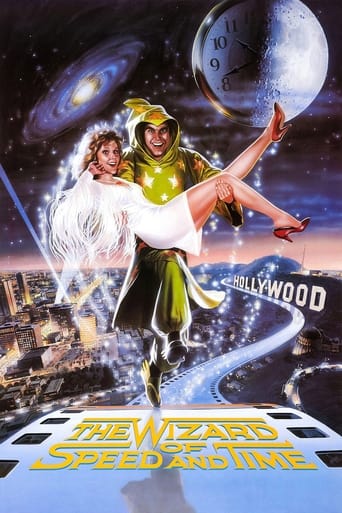
Dreamkeeper is a long and beautiful film in which a Lakota grandfather, driving to a great gathering with a reluctant teenage grandson, tells the old stories of many nations, each of which comes to life on screen. The Last Dinosaur is a lively fantasy of the seventies about an expedition to a lost valley, and The Wizard of Speed and Time is a one-man marvel: Mike Jittlov wrote, directed, starred in and hand-animated the special effects of this comedy about a young film-maker trying to finish a short film for a television special.
Lighter fantasies fill out the list. I Still Dream of Jeannie reunites Barbara Eden with her most famous role. Undercover Angel gives a struggling writer a six-year-old house guest who rearranges his life. Long Life, Happiness and Prosperity is a comedy from Vancouver's Chinatown in which a twelve-year-old tries charms from a book to bring her hard-working mother some luck, with Sandra Oh, and the charms land on the neighbours instead.
Made for television
Thirty-five of the films were first shown on television, and they include some of the most carefully made in the catalogue. American networks in the 1970s and 1980s gave prestige slots to serious single dramas, and British television has always done so. A Long Way Home has Timothy Hutton as a young man searching for the brother and sister from whom he was separated in childhood. A Son's Promise is about a fifteen-year-old in Georgia who keeps his six younger brothers together. The Three Stooges tells the story of the comedy team from vaudeville to their rediscovery by a new generation, and Elvis Meets Nixon is a comic account of the day in 1970 when the singer called at the White House.
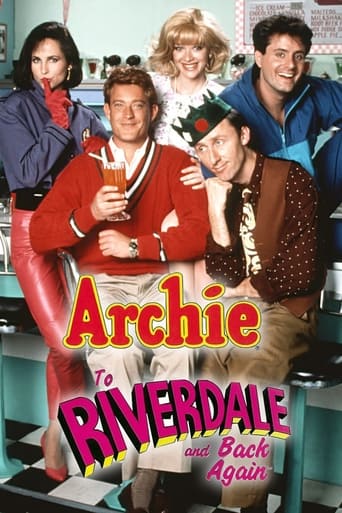
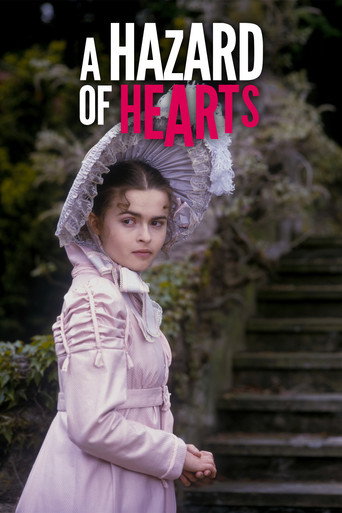
A Hazard of Hearts, from a novel by Barbara Cartland, is a Regency romance with a splendid cast, among them Diana Rigg, Edward Fox and a very young Helena Bonham Carter. Archie: To Riverdale and Back Again brings the comic-strip teenagers to their fifteen-year school reunion, and Little House: The Last Farewell is the film that closed the long-running frontier series. More recent television films include Rise and Shine, Benedict Stone, about a village jeweller whose teenage niece arrives from America, and Straight from the Heart, in which a New York photographer answers an advertisement placed by a Wyoming rancher.
Faces to follow
A catalogue built on the studio years is a good place to follow the great contract players. Edward G. Robinson appears four times, always against type, as a scientist, a newsman, a farmer and a father. Tyrone Power has four films, among them an adventure, a comedy and a riverboat romance. Bette Davis has two of her strongest schoolteacher and librarian roles, Rosalind Russell two career women, Myrna Loy two comedies and Spencer Tracy two portraits, of an inventor and of a father in a small Massachusetts town. Margaret O'Brien, the finest child actress of the forties, can be seen in two of her best films, and Jean Simmons in two from the fifties.
Carol Reed, who is remembered above all for his thrillers, directed three films here that show his gentler side: The Stars Look Down, A Kid for Two Farthings and Follow Me!. George Cukor, the most graceful of Hollywood directors, also has three: Two-Faced Woman, The Actress and Love Among the Ruins. George C. Scott gives two commanding performances, and Charles Sturridge directed both Where Angels Fear to Tread and Longitude. Among actors of today, Rory Kinnear, Hugh Bonneville and Toby Jones each lead a film: Bonneville plays Roald Dahl in To Olivia, set in the year the author and his wife, the actress Patricia Neal, rebuilt their family life and he began the book that became his most famous.
A first month
A newcomer who would like a plan can take four weekends. On the first, stay with the family: The Secret Garden on Saturday afternoon and A Thousand Clowns in the evening, when the children are in bed. On the second, choose true stories: The Miracle Worker and, with a long evening set aside, Longitude. On the third, go back to the forties for a double bill of Love Crazy and The Corn Is Green, a comedy and a drama made within four years of each other by the same system at full stretch.
On the fourth weekend, try the stage: Uncle Vanya one night and a Cinderella of 1957 the next, which between them cover the whole range of what a theatre can do. After that the lists will carry you. Top rated is a sound next step, The forties is the richest single decade, and 2010 onwards shows that films of this kind are still being made.
Watching older films
Viewers who seldom watch films made before 1970 sometimes expect them to be slow, and are surprised. The comedies of the forties are faster than most made today; the dialogue overlaps, the plots turn every few minutes and ninety minutes is thought quite long enough. Black and white, once the eye has settled, is simply another kind of photography, and often a more beautiful one: the lamplight in The Stars Look Down and the Welsh hillsides of The Corn Is Green were composed by masters of the craft.
A few habits help. Watch on the largest screen in the house, since these films were made for cinemas. Turn the sound up a little, as early recordings are quieter than modern ones. Give a film its first ten minutes before judging it, because classic pictures introduce their people carefully and repay the patience. And begin with a star you already know by name: Bette Davis, James Stewart, Grace Kelly, Fred Astaire and Julie Andrews are all here, and each is the best possible guide to the period.
The same advice holds for the television films of the seventies and eighties, which were shot quickly and plainly and depend on their actors. Love Among the Ruins has two of the greatest performers of the century enjoying each other's company for a hundred minutes, and that is all it requires. Younger members of the household may be won over by the adventures first: The Black Shield of Falworth, The Men of Sherwood Forest and Son of Fury: The Story of Benjamin Blake were made to delight an audience of every age on a Saturday afternoon, and they still do.
The last few years
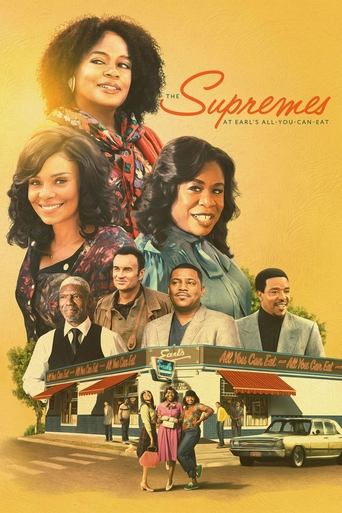
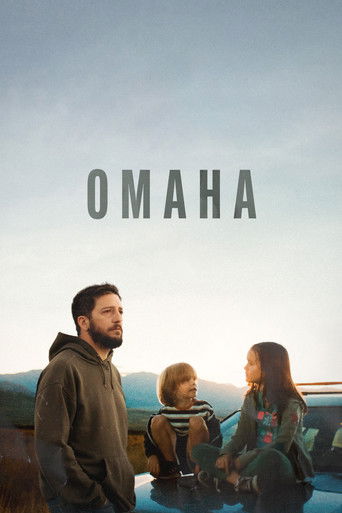
Twenty-six films date from 2020 or later, and they keep the temper of the older ones. The Supremes at Earl's All-You-Can-Eat follows three friends in an Indiana town from their schooldays in the 1960s to the present, always at the same table of the same diner. Green and Gold is about a Wisconsin dairy farmer who stakes the future of his farm on the fortunes of his football team, and his granddaughter, who writes songs. 5000 Blankets tells how a mother and her young son, searching for a missing husband and father, began an effort that brought warmth to thousands. Omaha is a spare road film about a father and two children crossing the American West.
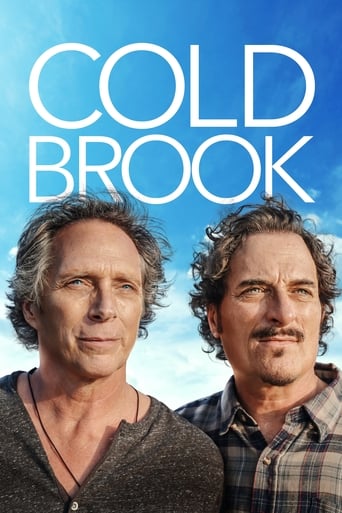
Suze is a Canadian comedy about a mother whose daughter leaves for university and who finds herself looking after the daughter's heartbroken former boyfriend. This Is the Year sends a shy school-leaver and his friends on a road trip to a music festival in a borrowed camper van. Dare to Be Wild is the story of Mary Reynolds, the Irish garden designer who took a wild meadow and a ring of hawthorns to the Chelsea Flower Show, and Cold Brook is a gentle fable about two caretakers at a small-town college who meet a stranger in need of help. Forgiveness Girl holds the highest score among the newer titles.
Length and pace
Classic films are compact. Most of the studio pictures in this catalogue run between eighty and one hundred and ten minutes, and some are shorter still: Ladies of the Chorus takes sixty-one minutes and Ma and Pa Kettle seventy-six. At the other end, Longitude runs for three hours and eighteen minutes, Dreamkeeper for nearly three hours, and the two concerts for two and a half and three. Two entries are short films in the strict sense: Once and Forever at eleven minutes and Wings of Courage at forty. Each film page shows the running time among its details, so an evening can be planned to the minute.
Pace is another matter. The films of the forties move briskly, with a great deal of talk, and reward listening. The dramas of the seventies and the television films take their time. The stage captures keep the rhythm of a night at the theatre, interval and all, and are best treated the same way, with the lights down and the telephone in another room.
How the films were chosen
The selection began with a survey of English-language films from 1940 to the present that have a good score from viewers and a small audience online: a little over a thousand titles that few people seek out and almost all who do enjoy. They were narrowed in three steps. First came the kinds of film that suit a quiet evening at home: drama, comedy, romance, family, music and adventure. Then came a reading of every story, one at a time, in which thrillers, films built on violence and comedy for adults only were set aside. Finally the posters and descriptions were checked, and two descriptions were rewritten in plainer words.
The result leans toward the humane and the well made. It has room for an Academy Award winner and for a television film that was shown once on a Sunday in 1981, and it treats them alike. Some of the dramas deal with illness, loss or injustice, and are included because they do so with dignity; a household that prefers lighter evenings will find the comedies, romances and musicals clearly marked.
CandleStream keeps its films to itself among the guides of its family; each title was chosen for this catalogue alone. That is why the most famous classics are absent, since they already have a home elsewhere, and it is also why the catalogue is full of discoveries. A film with forty ratings to its name can be every bit as good as one with forty thousand; it has simply been waiting longer for its audience.
Using CandleStream
The search field in the top bar is the quickest way to a known film. It answers as you type and accepts the common alternative titles. The A-Z page sets all 158 films out in alphabetical order, and the Movies page shows them by popularity.
A film that catches your eye can be put aside for later with Add to My List, found on its page. The My List button in the top bar brings the whole selection back. CandleStream writes it to the browser on your device, so it survives until you clear it, one title at a time or all together, and the list page offers a download that another device can load.
The help pages cover each part of the catalogue in a few lines: How to watch, Classics, True stories, Books and plays, Family, Music and stage, Comedy, Romance, Drama, Adventure, Made for television, Stars and Year by year, with Finding titles and My List for the tools.
Questions and answers
Questions
What is CandleStream?
CandleStream is a guide to 158 English-language films chosen for the whole household, each with its story, cast and a Watch now button to the official services that carry it.
Which film should I watch first?
Start with The Secret Garden, A Thousand Clowns or Longitude. One is for the family, one is a comedy and one is a true story.
Is the catalogue suitable for families?
Yes. Every film was read through by hand, and thrillers, horror, battlefield stories and comedy made strictly for adults were left out.
How old are the films?
Fifty-three films date from before 1970, twenty-six of them from the 1940s, and twenty-six have appeared since 2020.
Are there musicals and concerts?
Yes. Twenty-seven films concern music and the stage, among them two Les Misérables concerts, Cinderella with Julie Andrews and Merrily We Roll Along.
Are there true stories?
Yes. Thirty-six films tell of real lives, from Thomas Edison and Helen Keller to Simone Biles.
How does My List work?
Press Add to My List on any film page. The list is kept by your browser on your own device and can be saved to a file.
Does CandleStream host films or downloads?
CandleStream is a guide only. Every Watch now button opens JustWatch, which lists the official streaming, rental and purchase services for your country.